
| Edmiston C, Spencer M_et_al_-_Is_Staphylococcal_Screening_and_Suppression_for_SSI_Reduction___Surg_Infec_Vol_17_No_2016.pdf |
| Humphreys H, Spencer M et al. MRSA and SSI: Benefits of Screening and Decolonization before Surgery. Journal of Hospital Infection 2016.pdf |
Patients who carry Staph aureus in their nares or on their skin are more likely to develop Staph aureus SSIs. This is true for methicillin-resistant as well as methicillin-sensitive Staph aureus.
Kluytmans JA, Mouton JW, Ijzerman EP, Vandenbroucke-Grauls CM, Maat AW, Wagenvoort JH, et al. Nasal carriage of Staphylococcusaureus as a major risk factor for wound infections after cardiac surgery. J Infect Dis. 1995;171:216-9.
Huang SS, Platt R. Risk of methicillin Staphylococcusaureus infection after previous infection or colonization. Clinical Infectious Diseases. 2003;36(3):281-5.
Rao N, Cannella BA, Crossett LS, Yates AJ, McGough RL, Hamilton CW. Preoperative Screening/Decolonization for Staphylococcus aureus to Prevent Orthopedic Surgical Site Infection. J Arthroplasty 2011.
Pre-op Screening for MRSA and Staph aureus: Patients are sources for Staph aureus
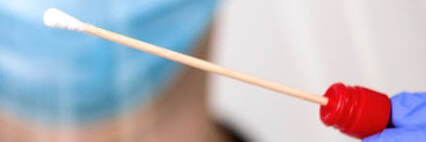
Kalmeijer et al, Nasal carriage only independent risk factor for S. aureus SSI in orthopaedic implant surgery. Infect Control Hosp Epidemiol 2000.
SSI rate 2-9x higher in carriers
–Kluytmans et al, Clin Microbiol Rev 1997
–Perl et al, Ann Pharmacother 1998
–Wenzel et al, J Hosp Infect 1995
S.aureus isolates from wound match nares 85% of time
–Perl et al, N Engl J Med 2002
–Evidence: important to screen for BOTH Staph aureus and MRSA
| journ_hosp_infec_ssi__screening_2016.pdf |
| mrsa_screening_orthopedics_jama_article_2015.pdf |
| edmiston_c_-_yin_and_yang_pre-op_screening_for_mrsa_apr_2013.pdf |
| collateral_benefit_of_screening_for_mrsa_-_ajic_jan_2015.pdf |
| farley_jcm_2008__pcr_vs_chromagar__dec_2007.pdf |
| chen_clin_orthop_relat_2013_pre__op_screen_is_cost_effective.pdf |
| preoperative_decolonization_effective_at_reducing_staphylococcal_colonization_in_total_joint_arthroplasty_patients_2013.pdf |
| blanc_jcm_2011_pcr_and_meca_gene.pdf |
| preoperative_decolonization_effective_at_reducing_staphylococcal_colonization_in_total_joint_arthroplasty_patients_2013.pdf |
| shepardjamasurg2013__cost_of_ssis.pdf |
| everhart_-_risk_factors_for_orthopedic_surgery_corr_2013_ssi.pdf |
| preoperative_decolonization_effective_at_reducing_staphylococcal_colonization_in_total_joint_arthroplasty_patients_2013.pdf |
| staph_aureus_decolonization_for_ssi_prevention_metanalysis_schweizer_bmj_2013.pdf |

| mass_hospital_leaders_statement_on_sa_preop_screening_final_1-31-13.doc |
| preventing_surgical_site_infections_in_nasal_carriaers_2010.pdf |
| mrsa_clinical_practice_guidelines_idsa_liu_cid_2010.pdf |
| infect_control_hosp_epidemiol_2000_nasal_carriage....pdf |
| nejm_2002_intranasal_mupirocin_to_prevent....pdf |
GeneXpert from Cepheid - Polymerase Chain Reaction - Rapid Testing Technology
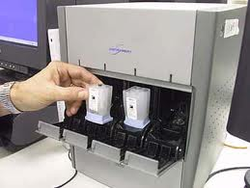
The tremendous increase of both hospital acquired and community acquired MRSA in skin and soft tissue infections requires a change in management of these infections. Cepheid's on-demand Xpert MRSA/SA SSTI test detects the presence of S. aureus (SA) or methicillin-resistant S. aureus (MRSA) in skin and soft tissue infections in less than one hour.
The only rapid and comprehensive SSTI test available
The only rapid and comprehensive SSTI test available
- Xpert MRSA/SA SSTI is a rapid, on-demand test for detecting MRSA and SA from skin and soft tissue swabs in less than one hour
- Xpert MRSA/SA SSTI is the most comprehensive Staph aureus test available:
- Includes targets for Staph aureus, MRSA, and mecA
- Identifies presumptive positive "empty cassette" strains for correct classification as SA sensitive
- Unparalleled automation with the GeneXpert® System provides reduced hands-on time and improved laboratory efficiency
| apic_june_12_2016__use_of_on-demand_pcr_for_mrs_c_diff_mtb.pdf |
| mgh_study_on_mrsa_and_pcr_testing_-_clin_infec_dis_april_2013.pdf |
| catanzaro_cirone_real-time_polymerase_chain_reaction_testing_cdiff_ajic____1_copy.pdf |
| nyman_cost_screening_icu_patients_mrsa_2011.pdf |
| group_b_strep_and_pcr_in_nejm.pdf |
| costs_and_effects_of_selective_mrsa_screening.pdf |
| 3_-_cost_comparison_of_mrsa_screening_and_management_a_decision_tree_analysis.pdf |
| rapid_screening_for_mrsa_in_abscesses_in_emergency_dept_nov_2013.pdf |
| cdc_-_mmwr_xpert_october_2013.pdf |
| mrsa_and_mssa_-_jbjs_2010.pdf |
| cepheid_ondemand_newsletter_9-08.pdf |
| costs_and_effects_of_selective_mrsa_screening.pdf |
| schweizer_bmj_2013_bundles_in_ortho_surg_-_meta_analysis.pdf |
| peterson_clin_micro_infect_2013_mecc_prevalence_denmark.pdf |
| farley_jcm_2008__pcr_vs_chromagar__dec_2007.pdf |
| diekema_iche_2011_current__practices_in_s_aureus_screening_and_decolonization.pdf |
| chen_clin_orthop_relat_2013_pre__op_screen_is_cost_effective.pdf |
| blanc_jcm_2011_pcr_and_meca_gene.pdf |
| gene-ohm_staphsr.pdf |
| geneohm-assays-reimbursement.pdf |
MRSA Patients Contaminate the Hospital Environment When Undiagnosed
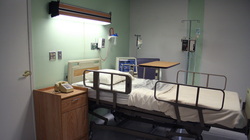
•MRSA infected/colonized patients contaminate rooms,
contribute to endemic MRSA
•A prospective study of 25 MRSA patients - samples obtained
in their isolation rooms
Results:
–53.6% of surface samples positive
–28% of air samples
–40.6% of settle plates - Isolates identical/closely related in 70% of pts
Ref: Sexton et al, J Hosp Infect 2006
contribute to endemic MRSA
•A prospective study of 25 MRSA patients - samples obtained
in their isolation rooms
Results:
–53.6% of surface samples positive
–28% of air samples
–40.6% of settle plates - Isolates identical/closely related in 70% of pts
Ref: Sexton et al, J Hosp Infect 2006
NOZIN ALCOHOL BASED NASAL APPLICATOR www.nozin.com
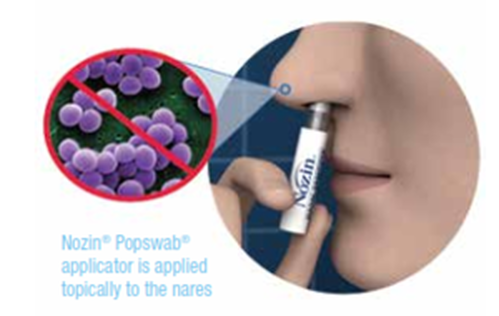
• Perioperative care: Reduce nasal carriage in the patient and everyone around the patient before, during and after surgery
• Reduce Staphylococcus aureus nasal carriage in the patient prior to surgery
• Reduce Staphylococcus aureus nasal carriage of everyone who comes in contact with the patient before, during and after surgery
• Maintain decolonization of the patient and caregivers during post-operative period to help reduce complications that often lead to readmission
• Reduce Staphylococcus aureus nasal carriage in the patient prior to surgery
• Reduce Staphylococcus aureus nasal carriage of everyone who comes in contact with the patient before, during and after surgery
• Maintain decolonization of the patient and caregivers during post-operative period to help reduce complications that often lead to readmission
| Nozin-Clinical-Studies.pdf |
| Nozin_Surgery_360_program_bifold_060315.pdf |
| nozin_in_vitro_chart-2.pdf |
| Reduction_of_Nasal_Staph_aureus_Carriage_in_Health_care_Professionals.pdf |
3M and Sage: Skin and Nasal Antiseptic Decolonization Before Surgery
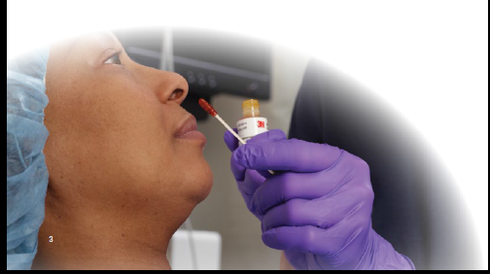
3M™ Skin and Nasal Antiseptic (Povidone-Iodine Solution 5% w/w (0.5% available iodine) USP) Patient Preoperative Skin Preparation.
3M™ Skin and Nasal Antiseptic (Povidone-Iodine Solution 5% w/w (0.5% available iodine) USP) Patient Preoperative Skin Preparation. This is the first product designed to reduce S. aureus in the nasal passages or nares, and is applied in the healthcare setting prior to surgery. Clinical studies show that the antiseptic kills 99.5% of S. aureus in the nares in one hour and maintains that level for at least twelve hours, an important benefit for patients undergoing surgery who may be at risk for infection.1
“Staphylococcus aureus is the leading cause of surgical site infections with approximately 80 percent of S. aureus infections caused by the patient’s own nasal flora2,” said Matt Scholz, corporate scientist, Infection Prevention Division at 3M. “As a patient preoperative skin preparation, 3M Skin and Nasal Antiseptic helps reduce the risk of S. aureus surgical site infection, including MRSA, which provides healthcare providers with confidence and control.”
| phillips_et_al_iche_july_2014.pdf |
| 3m™_skin_and_nasal_core_brochure.pdf |
| jama_surgery_mar_2015_decolonzation_with_iodophor_antiseptic_and_chg_wash_preop_op.pdf |
| dec_2016_ic_today_nasal_decolonization.pdf |
| IDweek-pre_and_post_operative orthopedic patients and surgical staff in novel intervention to reduce S aureus abstract_10-27-16.pdf |
